 EN

222nm Far UVC: What It Is and How It Differs From Conventional UVC
Interest in 222nm uvc has grown because facilities want to reduce airborne and surface microbial risk without treating every occupied room like a conventional UV enclosure. The important distinction is not simply that 222 nm is “safe” while other UVC is “unsafe.” A responsible assessment of 222nm uvc starts with wavelength, lamp spectrum, optical filtering, dose, installation geometry, and measured exposure.
This overview explains what 222nm uvc means, how it differs from conventional 254 nm UVC, and where the safety discussion has real boundaries. It is written for facility teams, distributors, and project buyers who need a technical starting point rather than a blanket claim.
What is 222nm Far UVC?
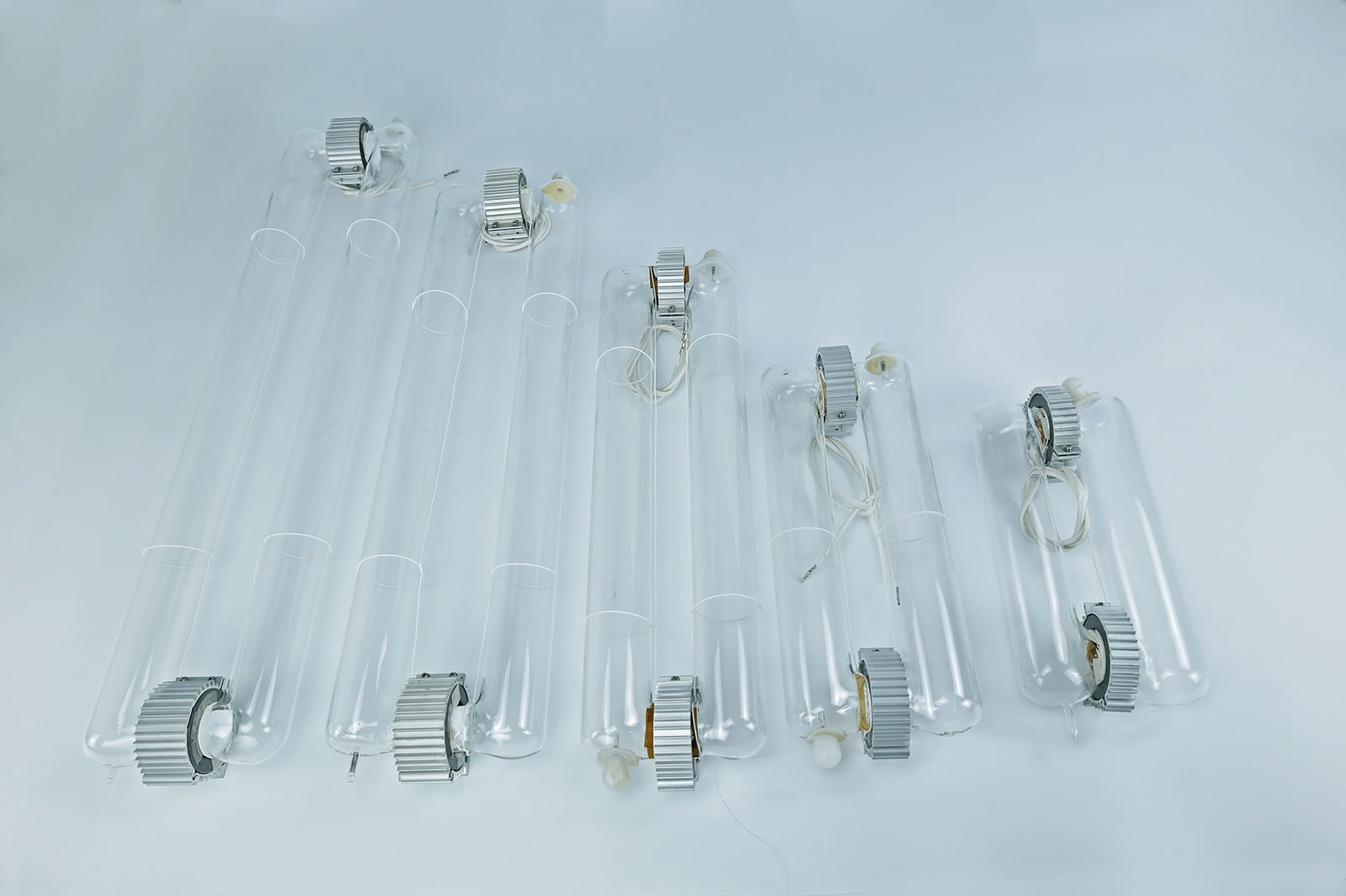
222nm uvc, often called far UV light or Far-UVC, is ultraviolet-C radiation centered near a 222 nanometre wavelength. UVC broadly occupies the 100–280 nm region; Far-UVC is commonly discussed in the shorter 200–230 nm portion. Most commercial 222nm uvc systems use krypton-chloride excimer source technology with an optical filter designed to pass the intended band while suppressing unwanted longer wavelengths.
Like conventional germicidal UVC, 222nm uvc can inactivate microorganisms by causing photochemical damage that prevents replication. Research interest is especially strong for air disinfection because light can act in the space where aerosols move. However, a wavelength label alone does not describe a complete product: an unfiltered source may emit additional spectral components that change the risk profile.
222nm UVC vs conventional 254 nm UVC
| Decision point | 222nm UVC / Far-UVC | Conventional UVC |
|---|---|---|
| Typical wavelength | Centered near 222 nm | Often associated with 254 nm low-pressure mercury lamps |
| Common source approach | Filtered KrCl excimer technology | Mercury-vapour germicidal lamp technology |
| Biological interaction | More strongly absorbed in outer protein-rich layers | Can penetrate more deeply into living skin and eye tissue |
| Use model | Potentially suitable for occupied-space applications when engineered and operated within applicable limits | Usually used with shielding, interlocks, scheduling, or unoccupied-room procedures |
| Safety control | Requires spectral filtering, dose design, measurement, and exposure management | Requires exposure prevention as a primary control |
The key physical difference is penetration. Compared with 254 nm, 222nm uvc is absorbed more strongly by proteins and other materials at the body’s outer surfaces. That is why filtered 222nm uvc is being studied for occupied spaces. In contrast, conventional 254 nm radiation is effective for germicidal applications but generally demands controls that keep people away from direct exposure.
Still, “more strongly absorbed” is not the same as “no controls required.” Optical filtering matters because longer-wavelength emissions can undermine the intended spectral advantage. Any 222nm uvc proposal should identify the lamp’s spectral output, filter arrangement, irradiance distribution, operating time, mounting height, and the applicable local exposure framework.
Why filtering is central to the Far-UVC discussion
A filtered 222nm uvc system is designed to concentrate output around the desired Far-UVC band and reduce out-of-band radiation. This is not a cosmetic product feature. It is a safety-critical engineering control. A buyer should ask for spectral measurement documentation for the finished luminaire, not merely a statement about the source type.
Practical questions include: Is the source filtered? Has the finished fixture been assessed after optics, housing, and ageing considerations? Which measurement method was used? At the planned mounting position, what exposure could a standing or seated person receive over a work shift? These questions keep the decision anchored to the installed system rather than a generic 222nm uvc claim.
Where 222nm UVC may fit
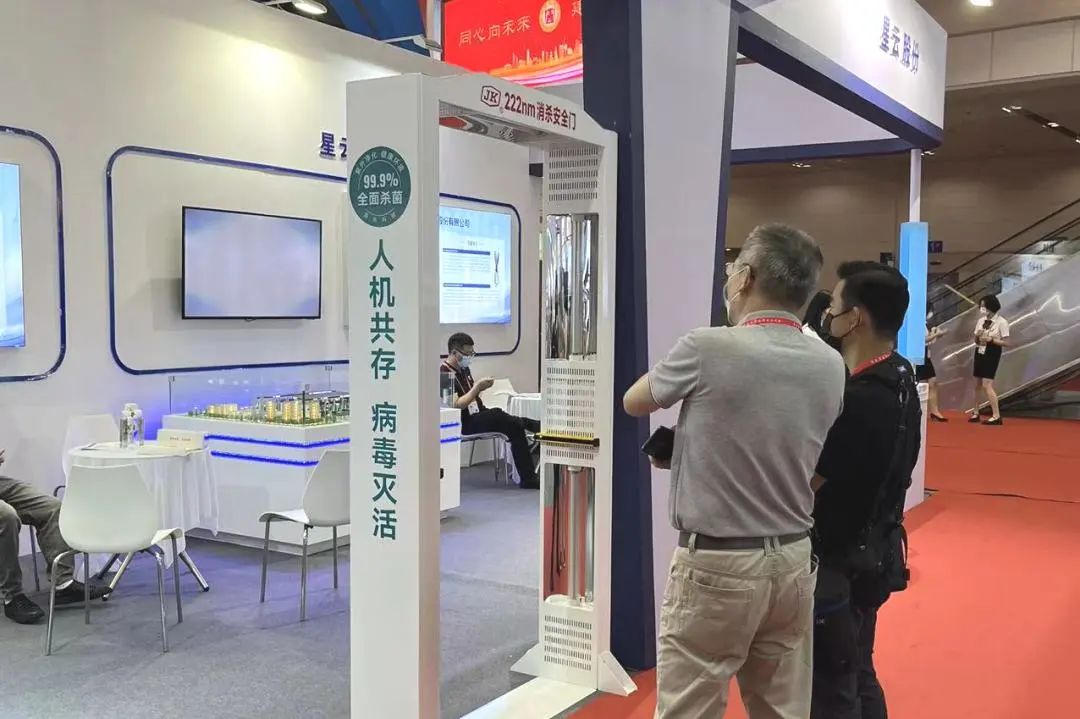
Potential applications for 222nm uvc include high-traffic public areas, schools, transport environments, hospitality spaces, commercial interiors, and selected healthcare-support settings. The technology can complement ventilation, filtration, cleaning, and conventional disinfection workflows; it should not be presented as a substitute for every existing control.
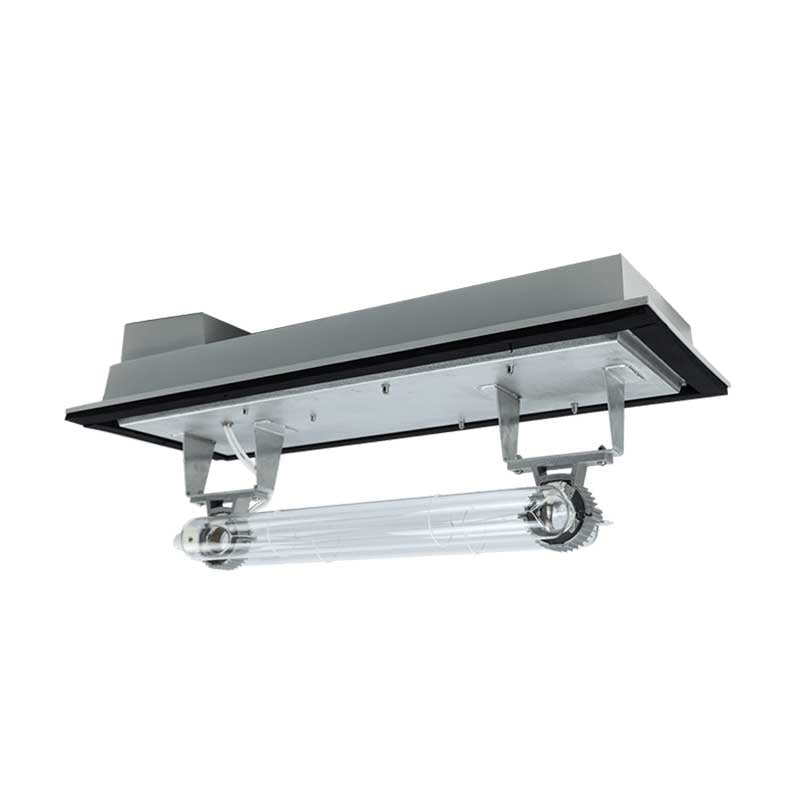
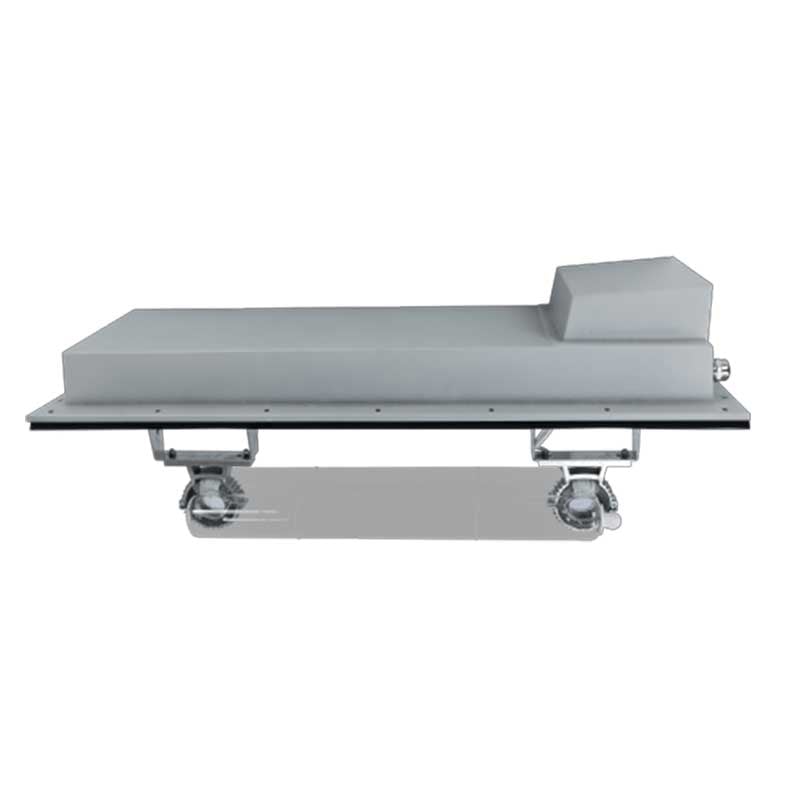
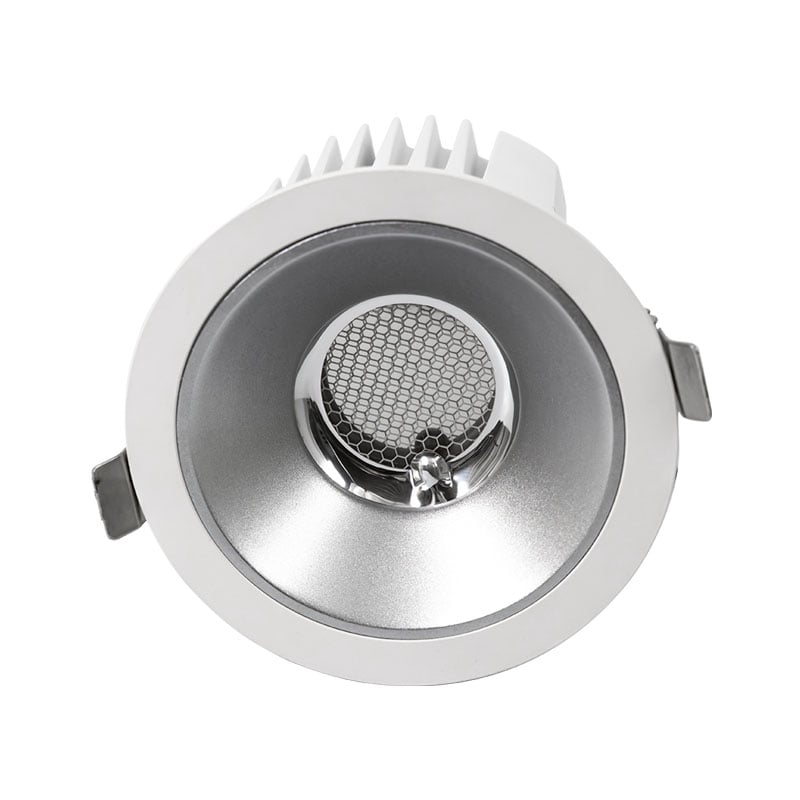
For buyers evaluating a recessed format, the product category can be reviewed through an application-fit lens. For example, this 222nm Far UVC downlight provides a relevant starting point for a project conversation. The product page alone does not establish room-level dose, safety compliance, or suitability; those must be confirmed for the actual installation.
A practical evaluation checklist
- Confirm the objective: Is the project focused on airborne risk reduction, surface treatment, or both?
- Verify spectrum and filtering: Request documentation for the delivered luminaire, not just the underlying lamp family.
- Model the room: Consider ceiling height, occupancy pattern, reflective surfaces, shadows, and maintenance access.
- Measure exposure: Validate 222nm uvc irradiance and cumulative exposure at representative occupied positions.
- Use layered controls: Keep ventilation, filtration, cleaning, and operational practices in the overall plan.
- Set maintenance rules: Define inspection, cleaning, replacement, and re-verification procedures.
Bottom line
222nm uvc differs from traditional UVC primarily through its shorter wavelength, filtered excimer-lamp implementation, and biological penetration characteristics. These differences create a promising path for controlled use in occupied environments, but they do not remove the need for engineering review. The most defensible conclusion is conditional: filtered 222nm uvc may be a useful layer in an indoor disinfection strategy when the actual fixture, exposure, and installation are verified against applicable requirements.