 EN
EN

UV Systems for Water Treatment: How to Compare Industrial Solutions
Industrial buyers comparing uv systems for water treatment should start with the treatment duty, not a catalogue wattage or a single headline flow rate. A UV reactor can be a strong disinfection step because it adds no chemical residual, but its delivered performance depends on water quality, hydraulic conditions, lamp output, controls, and maintenance access. The most useful comparison is therefore a process-fit review: can the system deliver a validated dose under the conditions your plant actually sees?
This guide is written for engineering, procurement, and operations teams evaluating an ultraviolet water system for municipal wastewater, process water, reuse, or industrial utility applications. It focuses on the questions that separate a practical long-term installation from a nominally similar unit that is difficult to validate or maintain.
Begin with the treatment objective and water conditions
Before comparing uv systems for water treatment, define what the UV stage is expected to do. Is it a final disinfection barrier, a reuse-treatment step, or part of a larger process train? The target organism, required inactivation objective, influent variability, and regulatory framework determine the evidence a supplier should provide.
Water quality matters as much as reactor size. UV transmittance (UVT) describes how readily UV energy travels through water; lower UVT means more attenuation. Suspended solids, color, iron, organic loading, and upstream process swings can change the design case. Ask for the assumed minimum UVT, maximum flow, and water-quality envelope behind every proposed duty point. Comparing a clean-water nameplate capacity with a conservative site-duty capacity is not a like-for-like exercise.
A useful request-for-quotation package includes flow range, normal and peak flow, expected UVT range, turbidity or solids context, water temperature, upstream filtration, target treatment outcome, available footprint, and electrical constraints. This lets vendors size uv systems for water treatment against the same boundary conditions.
Compare validated dose, not lamp count alone
A lamp count or electrical power figure cannot on its own show that an ultraviolet water system will meet a treatment objective. UV dose is influenced by UV intensity, flow rate, UVT, reactor hydraulics, and equipment condition. Guidance used for UV validation also highlights lamp aging, sleeve fouling, sensor uncertainty, velocity distribution, component failure, and inlet/outlet piping as factors that can affect delivered dose.
For each option, ask for a clear validation package: the validated operating range, dose-monitoring method, alarm and shutdown logic, sensor arrangement, and derating assumptions. A fair comparison table uses the same required dose and site envelope for every candidate. If one supplier provides a validated range while another provides only a theoretical dose calculation, flag that difference rather than treating the numbers as equivalent.
| Comparison item | What to confirm | Why it matters |
|---|---|---|
| Design flow | Normal, peak, and turndown flows | Residence time and dose change with flow. |
| Water quality | Minimum UVT and fouling assumptions | These conditions influence available UV energy. |
| Validation | Tested operating envelope and monitoring approach | Connects the selected reactor to the intended duty. |
| Controls | Sensor, lamp-status, and alarm response | Supports operation within validated limits. |
Match reactor format to the installation
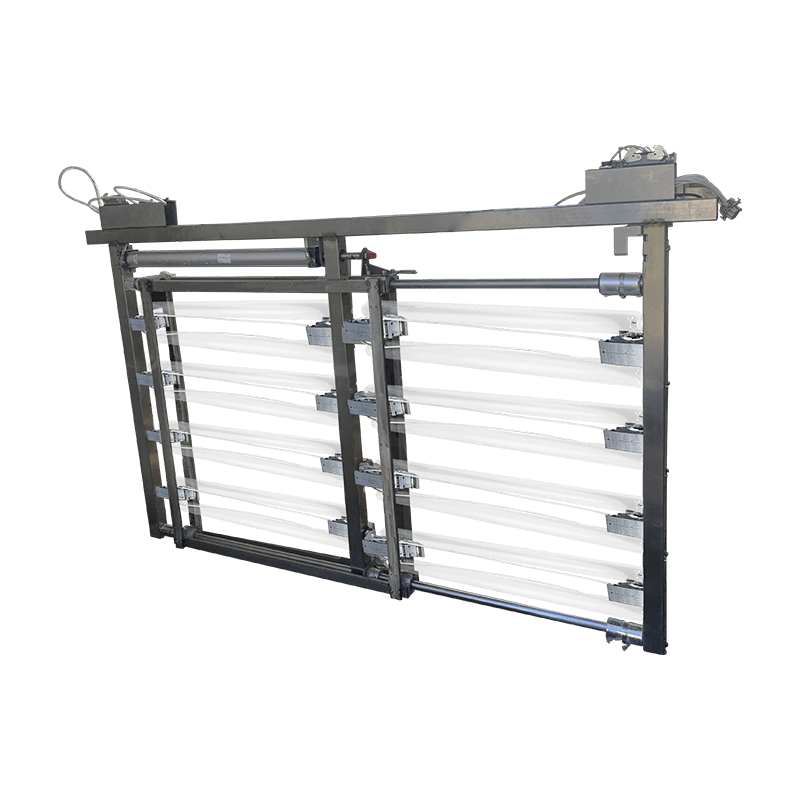
Industrial uv systems for water treatment are often compared as closed-vessel reactors, open-channel arrangements, or submerged rack configurations. The right choice depends on flow geometry, available head, civil works, access, redundancy philosophy, and how the UV stage connects to upstream and downstream equipment.
Closed vessels can suit pressurized pipework and compact skids, while open-channel or submerged systems may align with channel-based wastewater layouts. The decision is not simply “small versus large.” Review bypass provisions, isolation, lifting space, drain-down requirements, sleeve cleaning access, and whether maintenance can occur without disrupting the entire treatment train. Also ask whether the proposed inlet and outlet arrangement matches the configuration used for validation or engineering design.
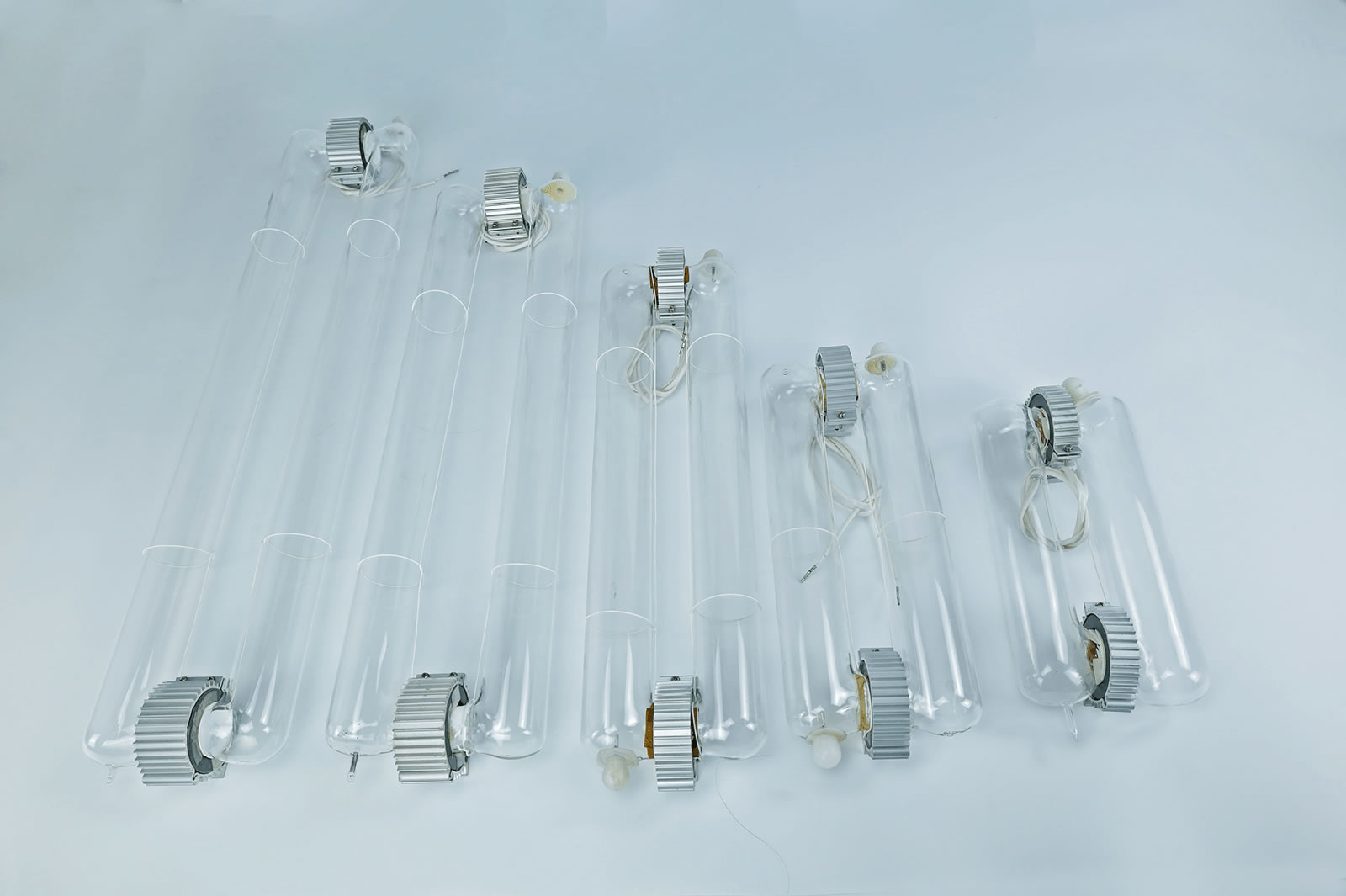
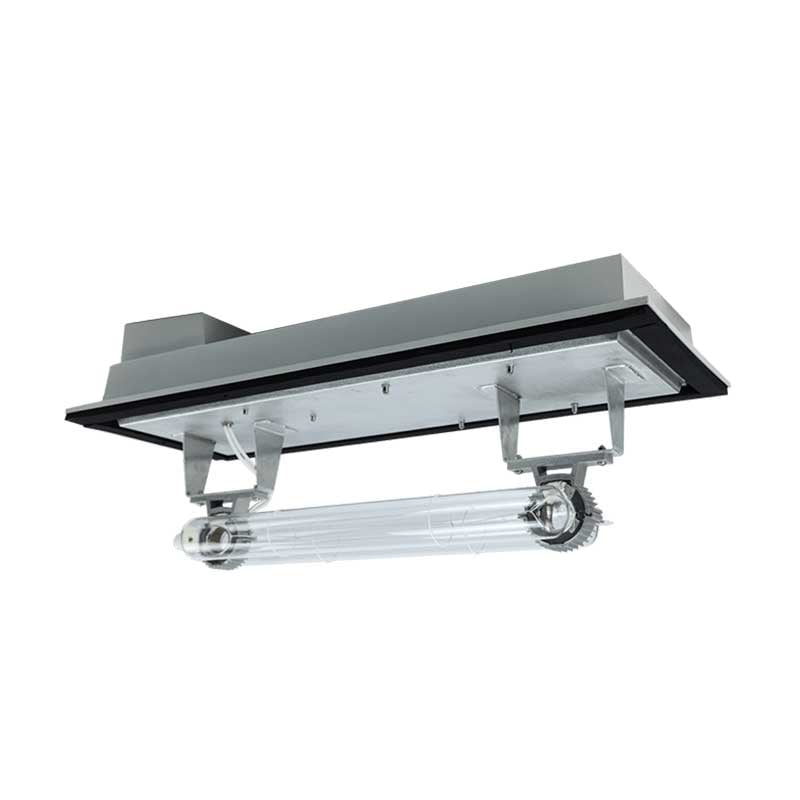
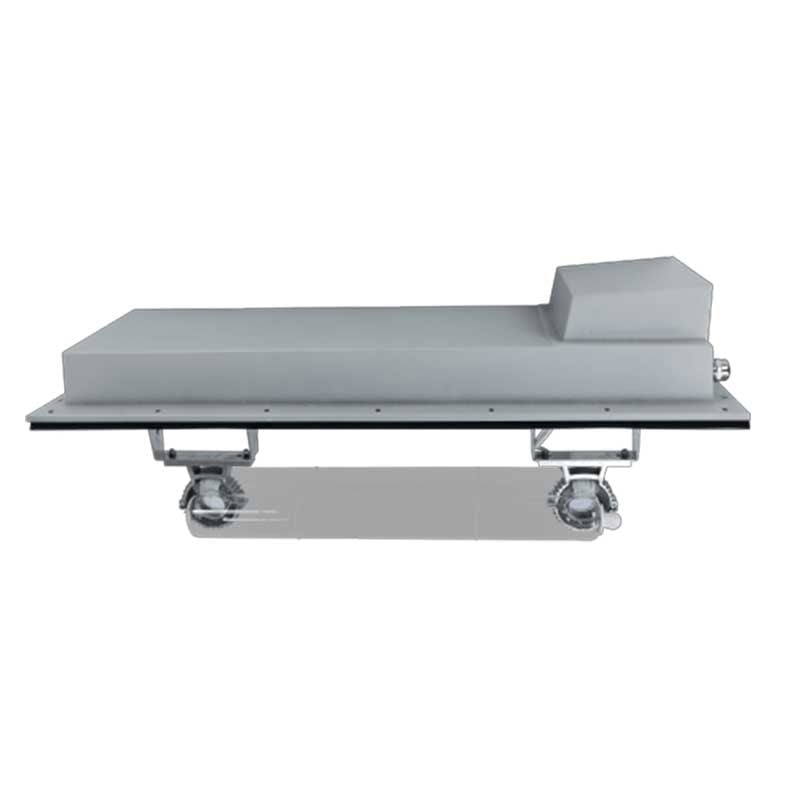
Where a submerged approach matches the site, teams can review the confirmed product page for a Submersible UV rack with induction lamp (600W–4800W) as one equipment-format reference. Product selection should still be based on the supplier’s confirmed design data and the site-specific duty, rather than the product name alone.
Evaluate lifecycle operation and maintenance
A practical ultraviolet water system comparison includes the work required after commissioning. Determine how lamps are accessed, how sleeves are cleaned, what indicates fouling, how sensor checks are handled, and which spares must be held on site. Consider labor access, lifting needs, lockout procedures, cleaning chemicals if used, and the impact of a lamp or power-module failure.
Controls should make operating limits visible rather than leaving operators to infer performance from a single status light. Request information on intensity or dose indication, lamp status, interlocks, remote signals, event history, and recommended inspection intervals. For critical duties, compare redundancy, module isolation, and the consequence of taking one bank out of service.
Use a procurement checklist for a fair comparison
- Confirm the required treatment objective and the site’s flow and UVT envelope.
- Request the same validation and derating evidence from every vendor.
- Compare civil, hydraulic, electrical, and control interfaces—not only reactor dimensions.
- Review access, cleaning, spares, and outage planning with the operations team.
- Document assumptions that require confirmation during detailed engineering.
When uv systems for water treatment are compared on validated duty, installation fit, and lifecycle operation, the purchasing discussion becomes more defensible. Start with the water and process conditions, then use supplier documentation to confirm that the selected configuration can operate within its intended envelope. That approach helps industrial teams compare solutions on evidence and maintainability rather than on isolated specifications.