 EN
EN

UV Water Disinfection for Aquaculture: Key System Planning Factors
Aquaculture teams often start with a simple question: what size UV unit should we buy? For ultraviolet disinfection water treatment, that is only part of the decision. A useful system plan connects the reactor to the actual water loop, the variation in water quality, the highest expected flow and the maintenance resources available on site. In recirculating aquaculture systems and hatchery applications, those conditions can change through feeding cycles, solids loading, make-up water events and production expansion.
UV is a physical treatment step; it does not replace good solids control, biofiltration management or the operating procedures that keep a water loop stable. The practical task is to define a treatment envelope in which the system can deliver the intended dose and can be monitored, cleaned and serviced without disrupting stock management. For a B2B buyer, a comparable scope is more useful than a headline specification.
Start with the treatment train, not the lamp rating
In aquaculture, ultraviolet disinfection water treatment is usually most reliable when it is placed after the upstream steps that reduce suspended solids and protect UV transmittance. Particles and color-causing compounds can reduce the light available in the reactor; particles may also shield microorganisms. That is why the water quality at the planned UV inlet matters more than the nominal flow of the whole facility.
Map the loop before selecting equipment:
- Source and return streams: Identify whether the reactor treats make-up water, a recirculating side stream, hatchery water or a discharge-related process stream.
- Pretreatment: Record the screen, drum filter, settling, foam fractionation or other steps upstream, plus expected bypass conditions.
- Water-quality range: Collect representative UV transmittance, turbidity, color and solids information across normal and challenging operating periods.
- Hydraulics: Define minimum, normal and peak flow instead of providing only one design number.
At first this looks like a reactor question; in practice, the treatment position also needs review. A water UV light filter description can be useful in a buyer conversation, but UV equipment is not a substitute for particle removal. Clarify which upstream process is responsible for controlling solids and how that responsibility is maintained when the system is under stress.
Translate microbial goals into a validated operating envelope
The planning objective for ultraviolet disinfection water treatment is not simply to install UV lamps. It is to maintain the intended dose across the operating envelope. As a general engineering principle, dose delivery depends on UV intensity, flow rate and UV transmittance (UVT). A change in any of these inputs can change the delivered treatment condition.
Ask the project team to state the target organisms or microbial-control objective, the required operating flow range, the lowest expected UVT, and the margin planned for lamp aging and fouling. This does not mean importing a drinking-water compliance number into an aquaculture project. Rather, it creates a disciplined basis for matching the reactor, controls and verification approach to the actual application.
| Planning input | Why it changes the decision | What to request |
|---|---|---|
| Flow range | Higher flow can reduce exposure time and change hydraulic conditions. | Normal, peak and contingency flow data; pump curve and bypass logic. |
| UVT and turbidity trend | Water that absorbs or scatters UV can reduce effective light delivery. | Seasonal and operational samples, plus the lowest credible design value. |
| Target treatment objective | Different microbial-control goals require different validation assumptions. | Application brief, organism concern and acceptance criteria. |
| Fouling and aging allowance | Quartz sleeves and lamps do not stay at day-one condition. | Cleaning approach, sensor checks and replacement plan. |
That said, the next question is whether the operating data supports the proposed scope. A proposal should make its design flow, water-quality assumptions and control setpoints visible. If they are hidden, two quotations may look comparable while covering very different treatment conditions.
Choose a reactor format around installation and service reality
Aquaculture layouts can favor closed-vessel reactors, open-channel arrangements or submersible configurations depending on the tank geometry, flow path, available head and access constraints. The right format is therefore a system-integration choice. Check the available footprint, lifting path, electrical access, drain and isolation valves, and the space needed to remove lamps or clean sleeves.
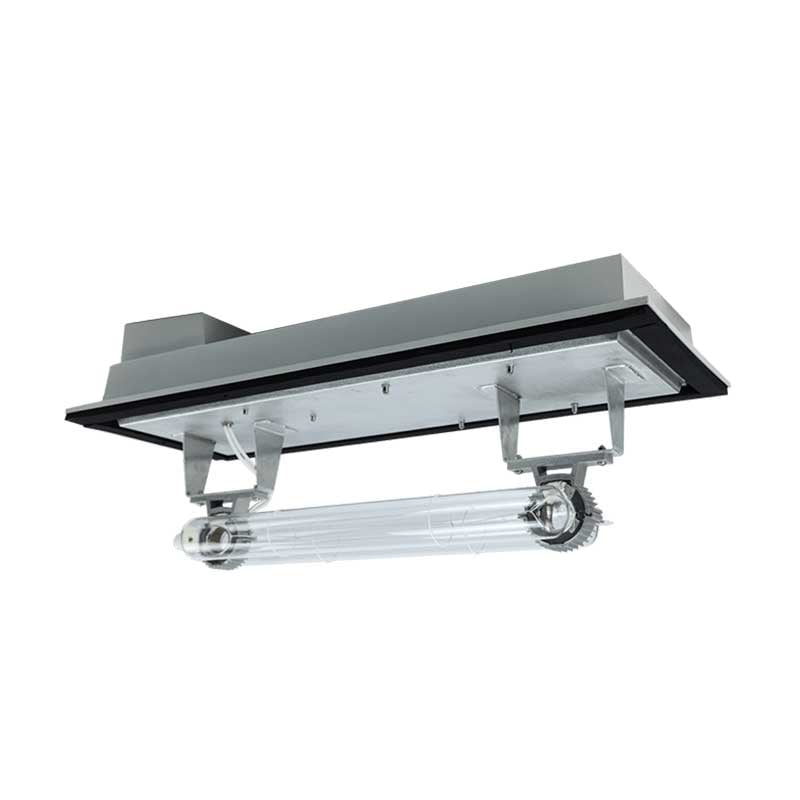
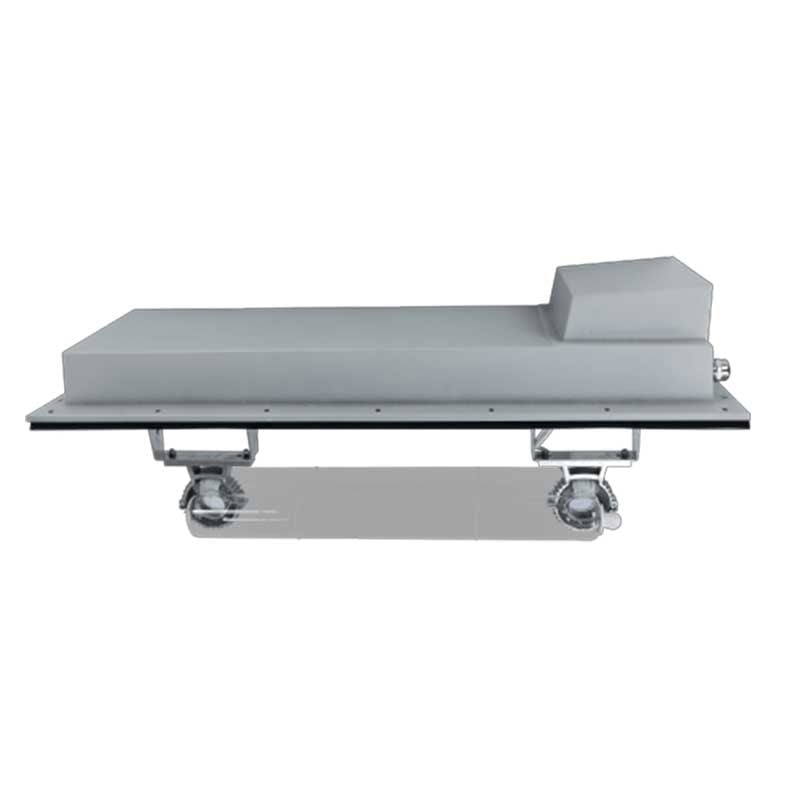
Where a submerged installation is being evaluated, use the confirmed product information as a starting point for a technical discussion rather than assuming performance details from the name alone. The Submersible UV rack with induction lamp (600W~4800W) can be reviewed against the project’s tank geometry, operating depth, circulation pattern and service-access plan. Confirm final sizing, materials, controls and application suitability through the supplier’s technical documentation.
When reviewing ultraviolet disinfection water treatment, it is worth revisiting access and monitoring assumptions before assuming a high-output configuration is the right fit. A system that cannot be isolated, inspected or cleaned on the production schedule can create a lifecycle burden even if its initial rating appears attractive.
Specify monitoring, alarms and operating response
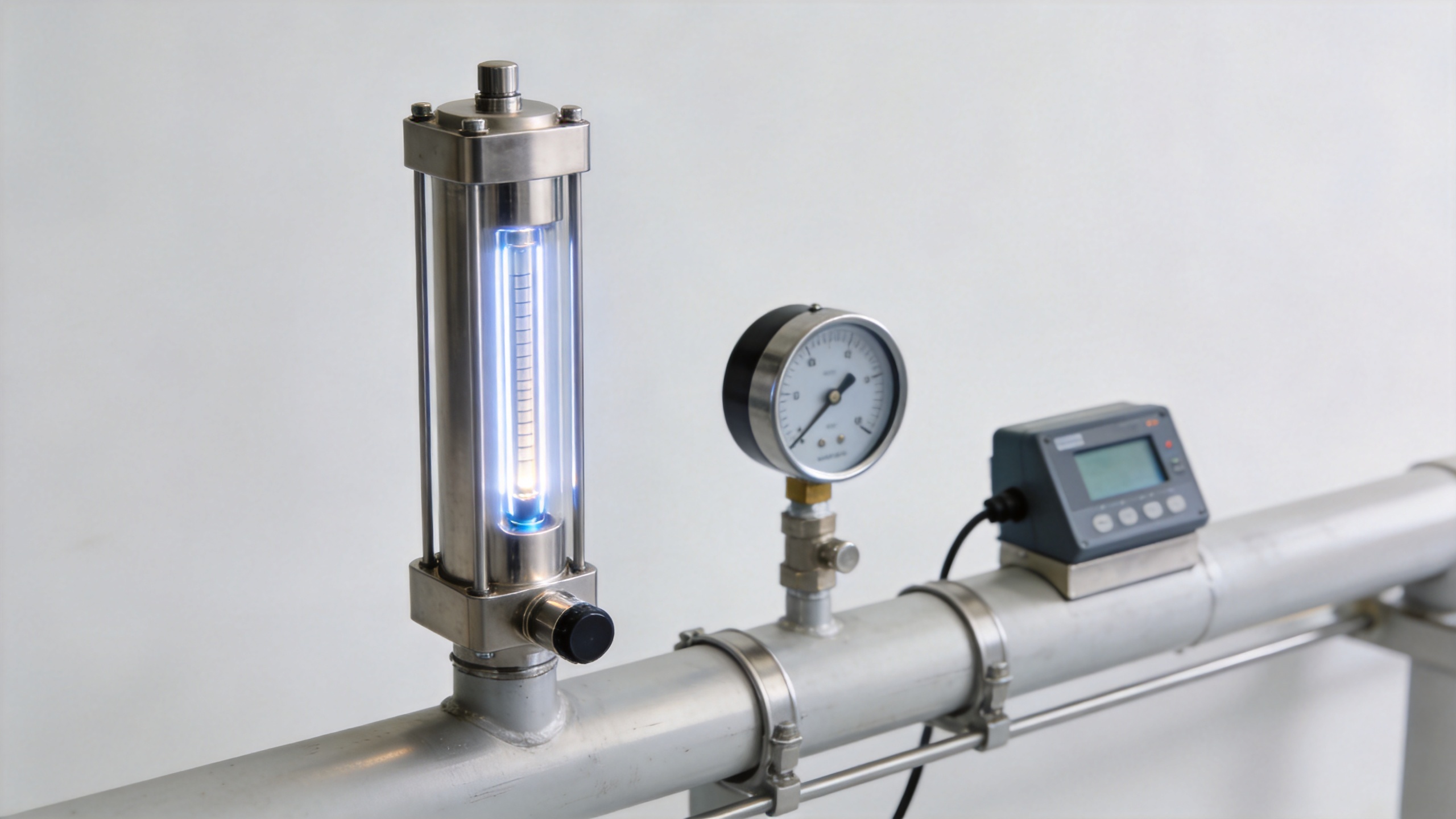
Because UV does not leave a residual that can be checked downstream in the same way as a chemical disinfectant, the operating condition of the reactor matters. A practical control plan normally defines what will be monitored, what constitutes an out-of-envelope condition and what the team will do next.
- Use flow measurement or a verified flow signal that reflects the reactor’s actual throughput.
- Define how UV intensity and, where applicable, UVT are monitored and checked.
- Set alarm, interlock and logging requirements for low intensity, high flow, sensor fault, lamp fault and cleaning intervals.
- Document the response to bypass, maintenance or an operating condition outside the design envelope.
If water quality varies across the operating cycle, assess that variation before relying on a fixed assumption. The same approach applies to redundancy: decide whether the fish-health and production plan requires duty/standby capacity, parallel trains or a managed shutdown procedure. The answer depends on the process risk and operating schedule, not on a generic product category.
Compare proposals on lifecycle evidence, not initial price alone
For consideration-stage procurement, ask suppliers to define the same scope items so proposals remain comparable. The most useful comparison includes the reactor configuration, design flow range, assumed UVT, target objective, controls, sensor arrangement, cleaning method, spare-parts list, power range, commissioning support and service access. It should also state exclusions such as pretreatment, pipework, electrical works and civil modifications.
A lower initial scope can shift work to cleaning, component replacement or downtime planning. For that reason, include lamp or module replacement intervals, sleeve-cleaning access, sensor verification, power control and availability of critical spares in the lifecycle discussion. Do not treat a water UV light filter as a standalone purchase if it has to work within a variable aquaculture loop.
A practical RFQ checklist for aquaculture UV planning
- Describe the water loop and identify the exact point of ultraviolet disinfection water treatment.
- Provide normal, peak and abnormal flow conditions, including bypass scenarios.
- Share representative water-quality data and the lowest credible UVT condition.
- State the microbial-control objective and how site acceptance will be evaluated.
- Request the supplier’s stated operating envelope, monitoring method and fouling/aging assumptions.
- Review installation space, isolation, drainage, lifting and routine service access.
- Define alarms, logging, operator actions and contingency capacity before commissioning.
Well-planned ultraviolet disinfection water treatment supports a clearer discussion between aquaculture operators, integrators and equipment suppliers. Begin with the water conditions and the operating envelope, then use the resulting data to compare reactor formats and lifecycle requirements. This may be a suitable direction for a project, although the hydraulic and water-quality inputs should be confirmed before final equipment selection.