 EN
EN

What Is UV Water Purification and How Does It Work?
Water purification with UV light is a disinfection step that uses ultraviolet energy to reduce the ability of microorganisms to reproduce. It is widely considered where a treatment line needs microbial control without adding a chemical disinfectant to the water. For facility managers, engineers, and water-treatment buyers, the useful question is not simply whether a lamp turns on. It is whether the complete system can deliver the required UV dose at the actual flow rate and water quality.
This article explains the basic mechanism, the place of ultraviolet disinfection water treatment in a process, and the components that make a UV system work consistently.
What water purification with UV light does—and does not do
Water purification with UV light targets biological contamination. A UV lamp emits germicidal wavelengths into a chamber as water flows past it. When susceptible bacteria, viruses, and protozoa receive sufficient exposure, the energy damages genetic material and prevents normal replication. That is why the process is generally described as disinfection or inactivation rather than physical filtration.
It is equally important to understand the limit. UV does not remove sediment, dissolved salts, hardness minerals, metals, or many dissolved chemicals. Water purification with UV light therefore often sits after filtration, clarification, or other conditioning steps. Pre-treatment helps keep the water clear enough for UV energy to reach microorganisms rather than being blocked or scattered by particles.
How the UV disinfection process works
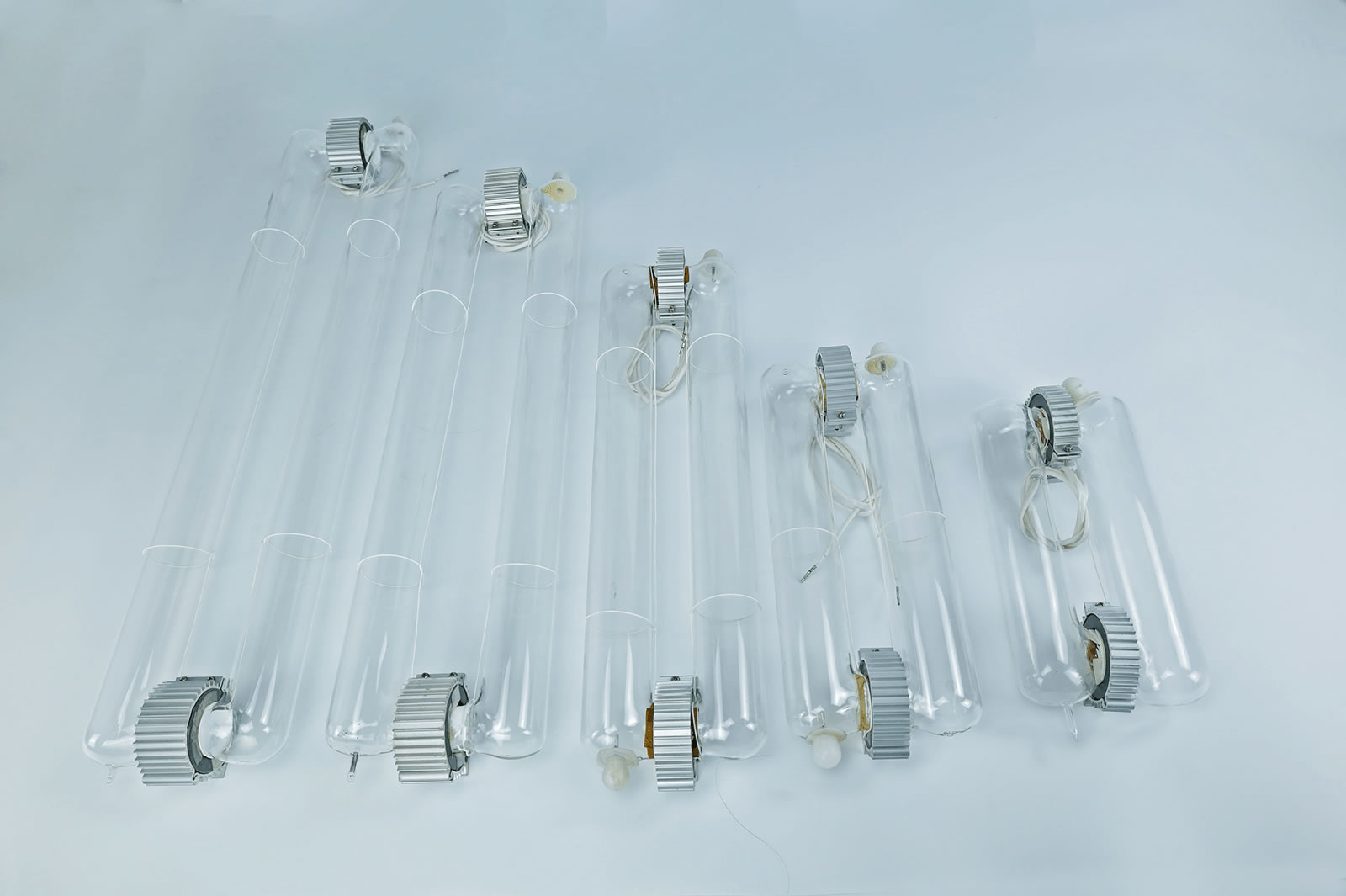
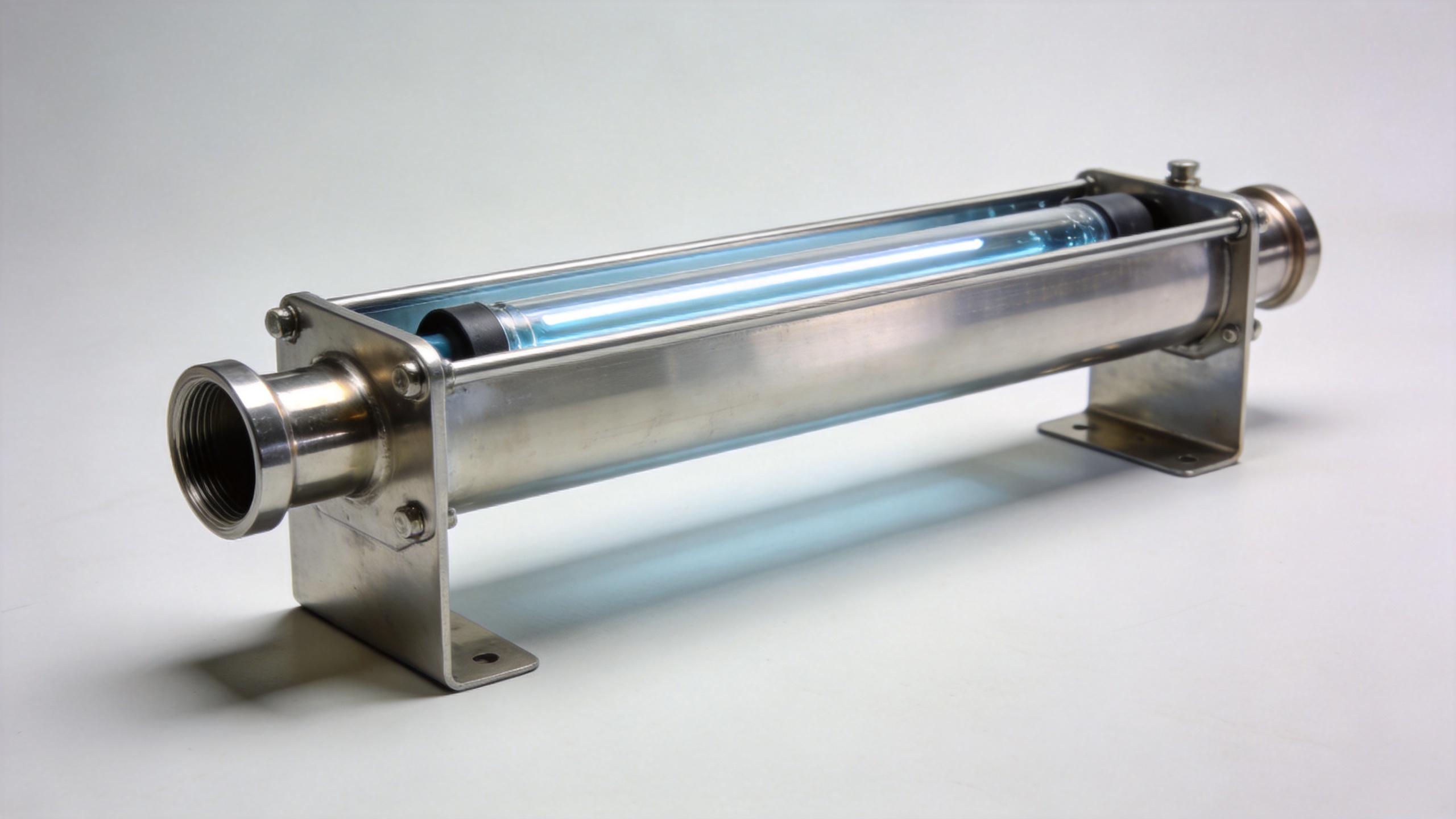
A typical water purification with UV light system has a lamp, a protective quartz sleeve, a chamber, a power supply or controller, and sometimes sensors or alarms. Water enters the chamber and passes around the lamp assembly. The quartz sleeve isolates the lamp from water while allowing UV energy to pass into the treatment zone.
The important performance concept is UV dose: the combination of UV intensity and exposure time. Higher flow can shorten residence time. Lower transmittance can reduce the energy that reaches the water. Lamp aging, sleeve fouling, water temperature, chamber geometry, and hydraulic mixing can also affect delivered dose. Regulatory guidance for validated UV reactors emphasizes operation within the conditions used to establish the required dose. In practical terms, water purification with UV light needs a system sized and operated for the real duty point, not a nominal lamp rating alone.
Why pre-treatment matters
Clear water is not automatically microbiologically safe, but poor clarity can make ultraviolet disinfection water treatment less predictable. Turbidity, color, iron deposits, scale, and suspended solids may shield microorganisms or reduce UV transmittance. A treatment train may therefore include screening, cartridge filtration, media filtration, softening, or chemical treatment before the UV chamber, depending on the source water.
For a new installation, ask for the expected flow profile, UV transmittance, turbidity range, and maintenance conditions. These inputs help define whether water purification with UV light is suitable as the final barrier or should be paired with another disinfection method. UV has no long-lasting residual in a distribution system, so downstream protection requirements need separate consideration.
Where UV water treatment is used
Ultraviolet disinfection water treatment can be applied to drinking-water treatment, process water, wastewater or reclaimed-water streams, pools, ponds, and other water systems where microbial control is required. The exact design changes with the application. A compact point-of-use unit is different from a continuously monitored industrial reactor, and neither should be selected using only the same flow-rate label.
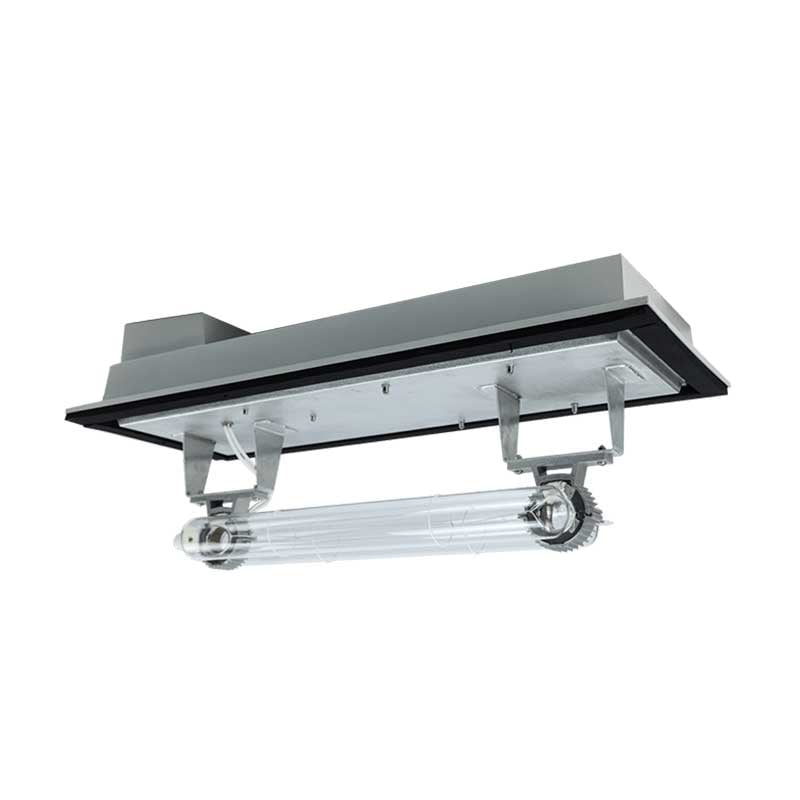
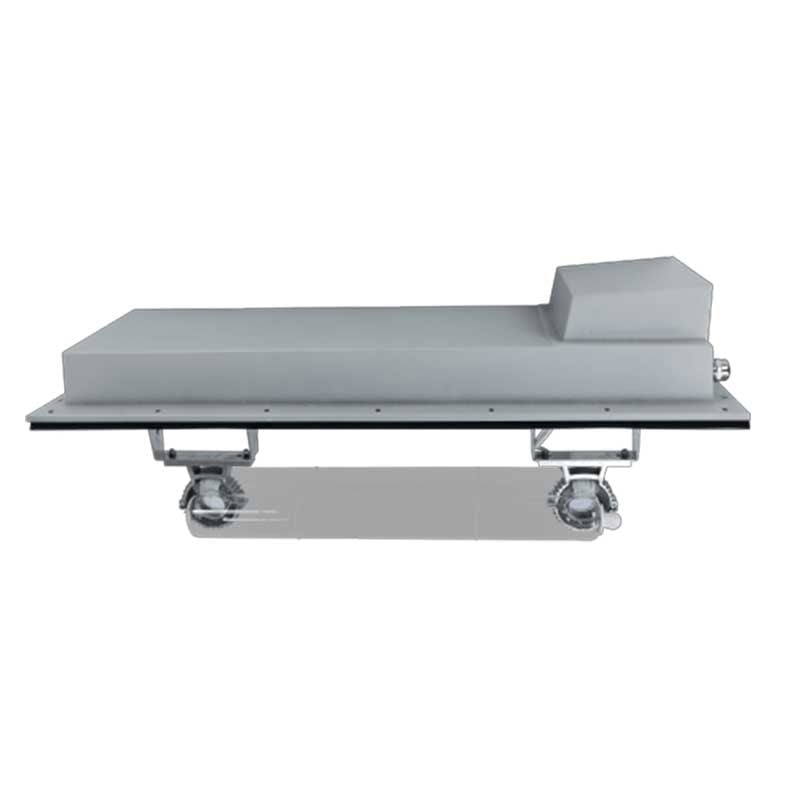
For industrial and commercial projects, buyers typically evaluate the installation space, electrical supply, inlet and outlet connections, required flow, water quality, control and alarm needs, and lamp-replacement access. A product such as the UV water sterilizer cabinet with induction lamp (300W) can be reviewed as part of the equipment options, while the final specification should still be matched to confirmed process conditions.
Key components to check in a UV system
- UV chamber: provides the controlled path through which water receives exposure.
- Lamp and power system: supply germicidal output and should be maintained according to the manufacturer’s service guidance.
- Quartz sleeve: protects the lamp but needs inspection and cleaning because deposits reduce transmission.
- Flow control: helps prevent operation above the validated or designed flow rate.
- Monitoring and alarms: can alert operators to lamp, sensor, or operating-condition issues.
How to keep water purification with UV light effective
Routine maintenance is central to reliable performance. Establish a schedule for checking the lamp, cleaning the quartz sleeve, confirming sensor status where fitted, and reviewing flow and pre-filter condition. Documenting these tasks makes it easier to spot a gradual loss of performance before it becomes a treatment problem.
When comparing ultraviolet disinfection water treatment systems, focus on validated dose capability, water-quality assumptions, flow range, materials of construction, controls, and service access. The right design connects source-water conditions, pre-treatment, UV reactor capacity, and operating discipline into one process rather than treating the UV lamp as a standalone answer.
Conclusion
Water purification with UV light is a practical way to add non-chemical microbial control to a well-designed treatment line. It works by delivering sufficient ultraviolet energy to inactivate microorganisms as water passes through a controlled chamber. Its success depends on dose, flow, transmittance, pre-treatment, and maintenance. With those conditions defined, UV can serve as a dependable disinfection stage for many water applications.